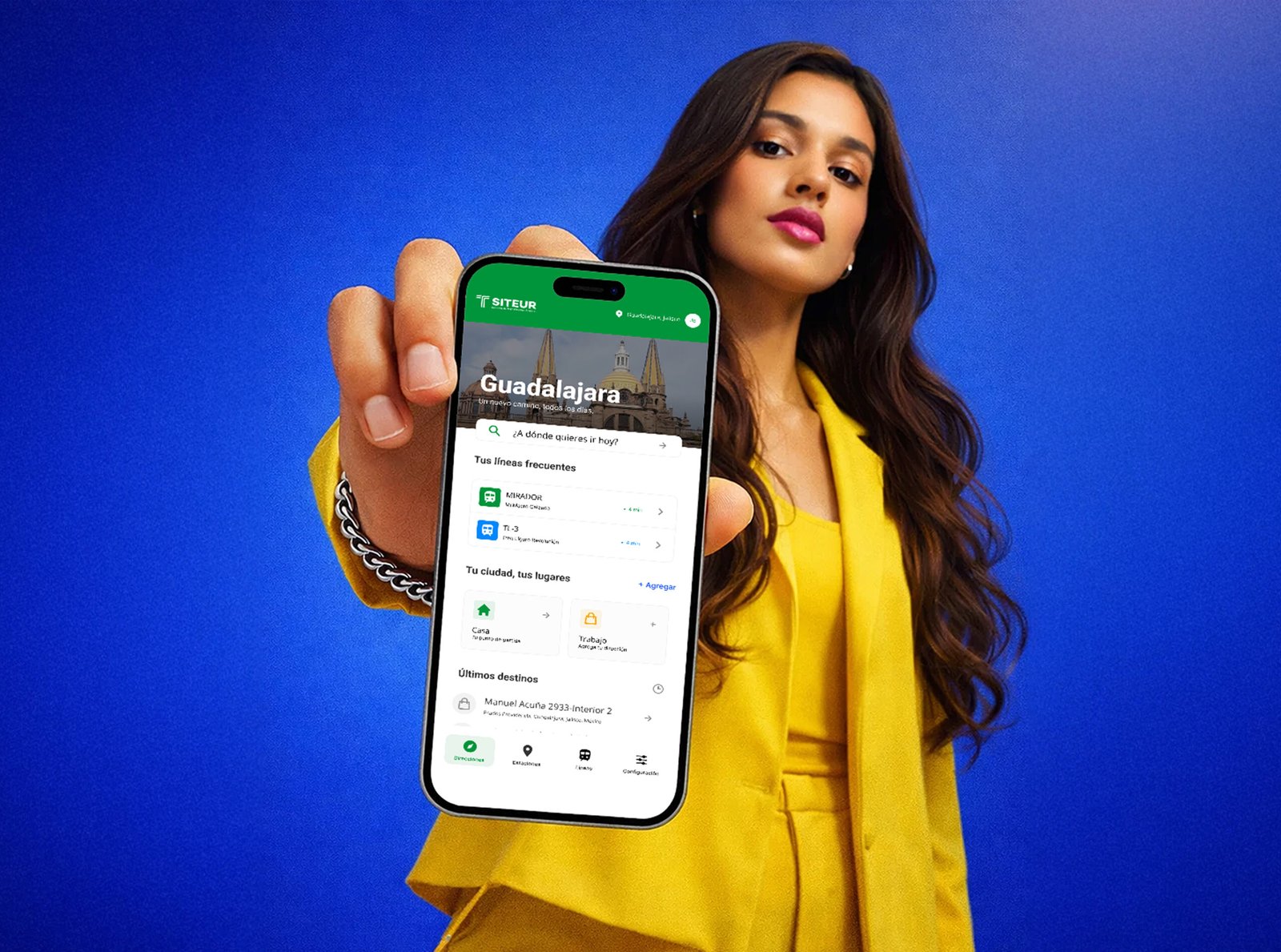
Exploration time, before and after
Register a warranty
−49%Claim + service appointment
−67%Round 1 Round 2
Average free-exploration time in Maze. Round 2 had a small sample (5 and 2 completions), so read it as a direction, not a benchmark.
Clarios, the maker of LTH batteries, ran warranties on paper tickets and operator judgment. Over six months of research and design at actdigital, I defined and validated an MVP that turns that into one traceable digital record, for consumers, service centers and field technicians.
“All product concepts, brand assets, and proprietary frameworks are for portfolio display and illustrative purposes only.”
To-be experience model for the warranty MVP (simplified for portfolio)
Swipe to explore the journey →
Battery QR label, purchase receipt, virtual policy (app / wallet)
Claim folio (#FOL-123), WhatsApp confirmation, timeline status
Service center map, scheduled appointment, check-in alert
Diagnostic scanner ticket, visual inspection form, system dictamen
Pro-rata invoice, new battery receipt, VoC survey link
Buys a battery and scans the QR code; registers the receipt and VIN in the mobile app.
Battery fails; selects symptoms (“Car won't start”) and submits a warranty request.
Chooses the nearest service center (or home service) and gets a confirmation.
Arrives at the service center, shares the folio and watches the scanner diagnostic.
Reviews the automated dictamen, accepts the pro-rata adjustment and rates the service.
Automated registration: validates the purchase ticket and generates the virtual policy.
WhatsApp / app assistant: generates a unique folio and shows live status.
Store / field technician: receives the appointment alert and prepares the intake queue.
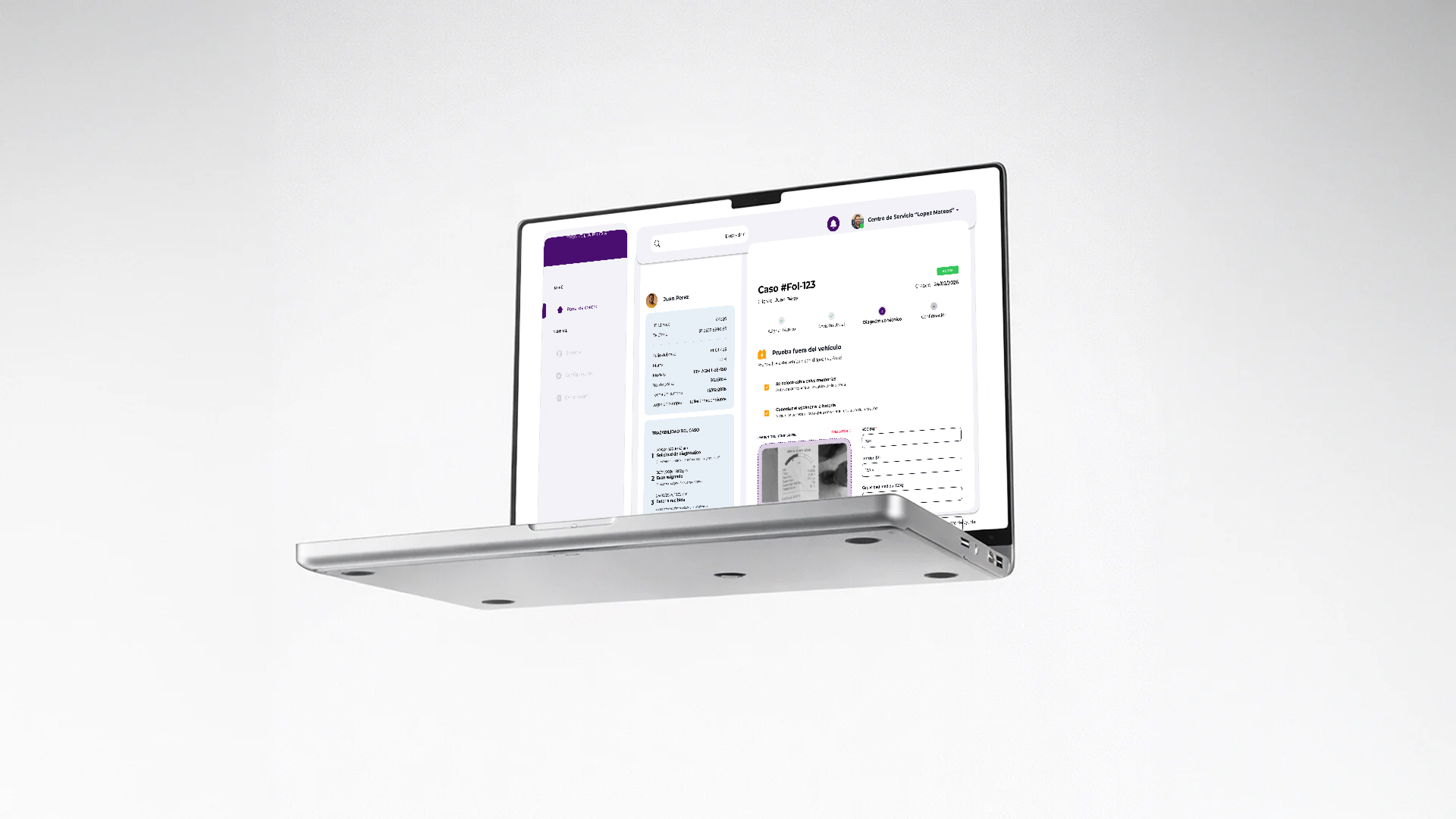
Shop technician: runs the 4-step visual check and uploads the diagnostic scanner ticket.
Service advisor: presents the system-backed dictamen and hands over the new battery.
Policy record: links the battery, the receipt and the customer account.
Eligibility check: confirms the request is within warranty.
Routing: suggests a nearby service center.
Diagnostic review: turns the test results into a clear warranty decision.
Resolution: applies the coverage and registers the replacement.
One shared record across channels.
Call center support and status notifications.
Service center network and scheduling.
Central warranty policies and quality review.
Customer feedback and operations reporting.
Clarios, the global manufacturer of LTH batteries, needed to standardize warranty management across hundreds of service centers, retail stores and field technicians nationwide.
Illegible fine print on paper policies led to customer mistrust and unexpected out-of-pocket costs at the counter.
Answered by: purchase ticket + virtual policyWithout standardized diagnostic checklists, technicians approved warranties inconsistently, creating friction with customers.
Answered by: diagnostic evidenceCall center promises, retail store claims and lab evaluations lived in disconnected places.
Answered by: one traceable recordMapped journeys for each archetype and identified the need for self-service digital policies, plain-language symptom selection and real-time status tracking.
Analyzed their pain points and highlighted the need for single-screen guided checklists and direct hardware integration.
Designed for centralized case management, automated pro-rata calculations and zero manual data re-entry.
 Consumer
 Consumer
 Consumer
 Consumer
 Sales operator
 Master technician
 Shop technician
 Operations
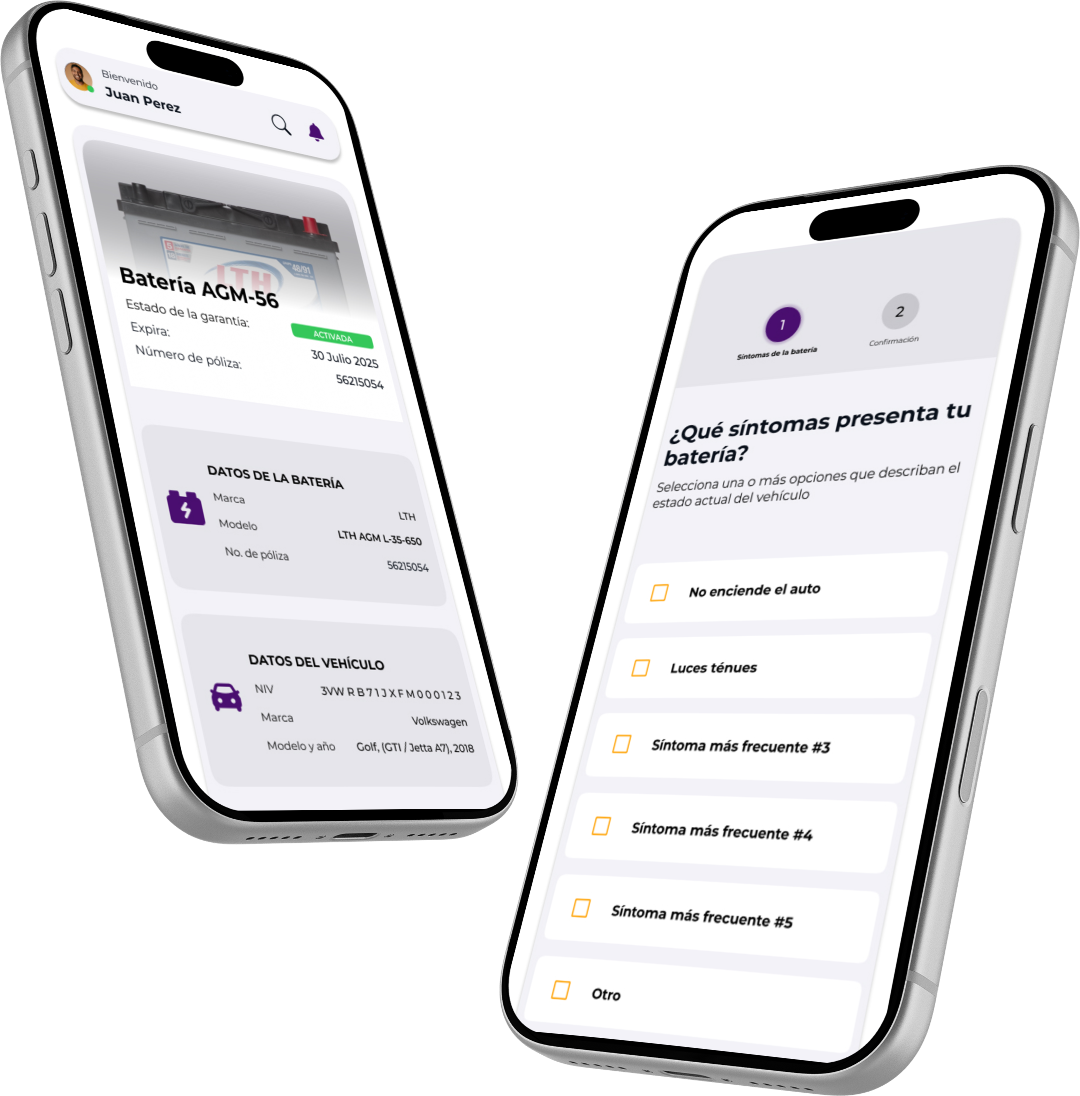
I designed and validated a high-fidelity MVP structured around 4 core capabilities.
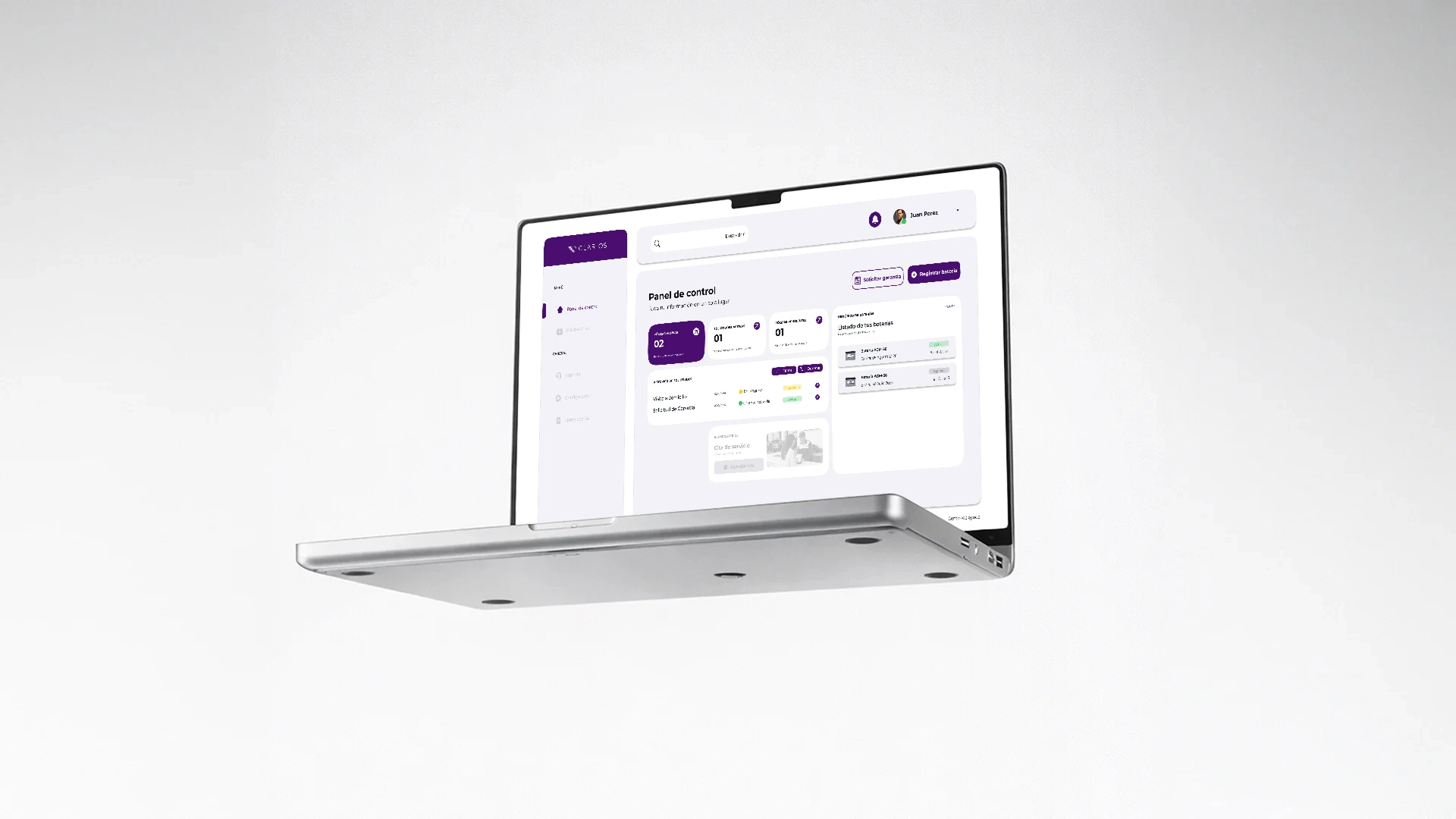
A progressive-disclosure flow for instant policy activation via receipt photo and VIN binding, with a central My Batteries hub and native Apple / Google Wallet integration.
Technical jargon replaced with symptoms people actually say (“Car won't start”, “Dim lights”), bridging the gap between consumers and technicians.
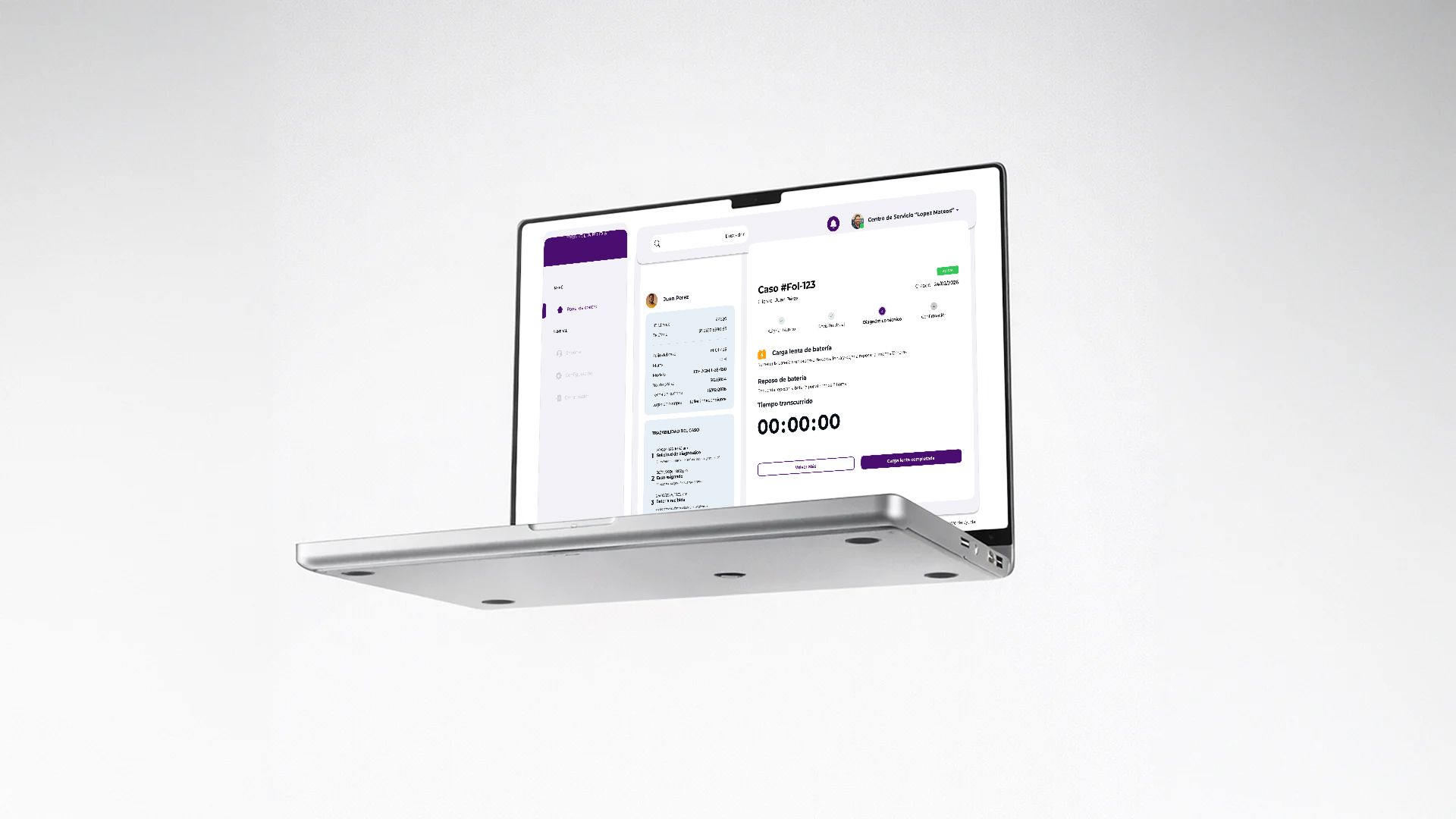
A 4-step guided evaluation (Assign → Visual check → Technical diagnostic → Confirmation) that removes operator subjectivity.
Diagnostic results captured straight from the scanner and turned into a transparent, system-backed warranty decision.
Evolved low-fidelity wireframes into an accessible design system (WCAG 2.1) with purposeful color coding and responsive UI components.
Embedded safeguards such as dual validation, camera barcode scanning and fallback call-center flows to remove technical friction.
Simulated live workflows with test participants to measure task completion and click-path efficiency.
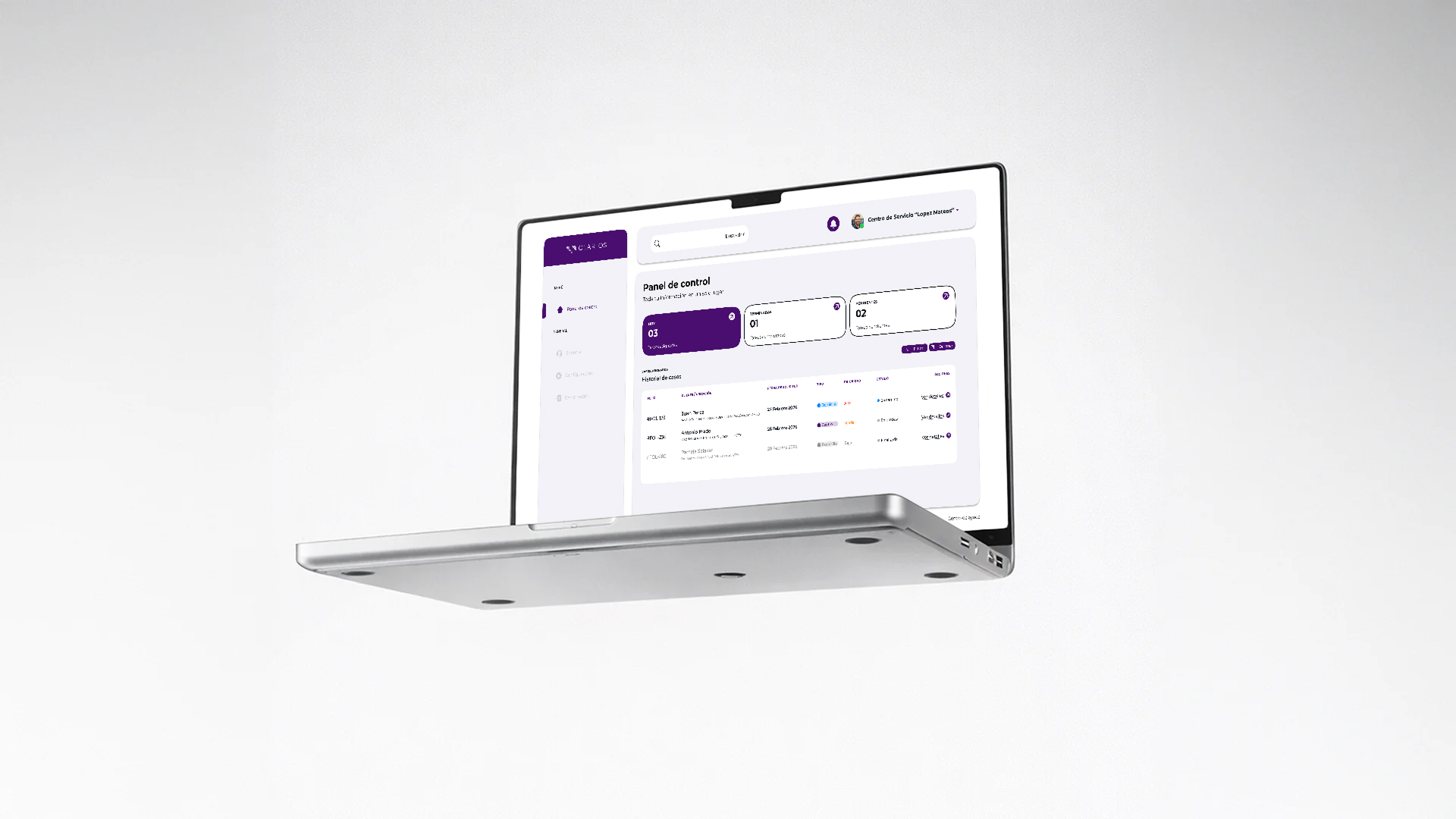
BeforePaper warranty tickets and operator judgment.
AfterOne digital record with 1:1 data parity between field mobile submissions and desktop processing.
BeforeVerbal arguments at the service counter.
AfterAutomated, plain-language resolution summaries everyone can read.
BuiltA scalable component architecture shared by the consumer app and the B2B back-office.
NextReady to extend to new touchpoints without redesigning the core.
21 participants walked through the two core consumer journeys in an interactive prototype: registering a battery warranty, and requesting a claim with a service appointment. Their feedback shaped a refined second round.
Register a warranty
Claim + service appointment
Round 1 Round 2
Average free-exploration time in Maze. Round 2 had a small sample (5 and 2 completions), so read it as a direction, not a benchmark.
Forced sign-up feels unnecessary.Guest flow with phone or email; the account comes at the end, for loyalty.
Account, password, code and VIN: too many validations.The VIN can wait for the service center.
Where do I find this code on the battery?Visual guides that show where each code lives.
After the folio, I didn't know I had to book.An explicit next step and a downloadable summary.
Connecting consumer accessibility with technician efficiency. Converting complex operational rules into a seamless, multi-platform warranty experience for Clarios.
Message sent. Thank you!
I'll get back to you within 1–2 business days.